

wall mounted bathroom mirror with light
Understanding Snap Check Gauges A Comprehensive Guide When it comes to precision measurement in engineering and manufacturing, accurate tools are paramount. Among these tools, the snap check gauge is a device that plays a crucial role in ensuring the quality and accuracy of machined parts. This article delves into the principles, applications, advantages, and maintenance of snap check gauges. What is a Snap Check Gauge? A snap check gauge, often referred to as a snap gauge or snap gage, is a precision measuring instrument used to check the dimensions of parts, typically in manufacturing and assembly processes. Unlike calipers or micrometers that can provide continuous measurements, snap gauges are designed for quick checks of specific dimensions, such as diameters or heights, ensuring that parts adhere to specified tolerances. Snap gauges come in various types, including fixed, adjustable, and digital varieties. Fixed snap gauges are set to a specific dimension and can only measure that size, while adjustable snap gauges allow for a range of measurements. Digital snap gauges offer the benefits of digital readouts, making them easier to read and reducing human error. How Does a Snap Check Gauge Work? The basic working principle of a snap check gauge involves comparing the feature of a part against a reference standard . The gauge has two contact points one fixed and one movable. When a part is inserted into the gauge, the movable contact will either snap into place or not, depending on whether the part's dimension falls within the acceptable range. This evaluation process is straightforward and requires minimal setup time, making it an efficient tool in high-volume production environments. Applications of Snap Check Gauges Snap check gauges find applications across various industries, including automotive, aerospace, electronics, and general manufacturing. Their primary use is to ensure that parts meet specified tolerances and quality standards. Some of the specific applications include 1. Diameter Measurements Snap gauges are commonly used to measure the outer and inner diameters of cylindrical parts, such as shafts and tubes, ensuring they fit into mating components. 2. Thickness Checks In industries where precise thickness is critical, such as in sheet metal fabrication, snap gauges can quickly verify the thickness of materials. 3. Height and Depth Specifications Snap gauges can also be engineered to measure the height and depth of parts accurately, making them essential in ensuring components fit within designated spaces or slots. 4. Go/No-Go Testing This quality assurance technique uses snap gauges to determine whether a part conforms to industry standards without requiring detailed measurements. The “go” side of the gauge indicates acceptable dimensions, whereas the “no-go” side signifies out-of-tolerance features. Advantages of Using Snap Check Gauges snap check gauge Snap check gauges offer several advantages over other measuring instruments - Speed and Efficiency The primary advantage is the speed with which snap gauges can assess part dimensions. This feature helps streamline the manufacturing process, particularly in assembly lines where time is of the essence. - Ease of Use Snap gauges are user-friendly and generally do not require extensive training to operate. This characteristic enables employees to conduct quick checks without needing specialized knowledge. - Cost-Effectiveness Compared to other precision measuring tools, snap gauges are relatively low-cost, making them accessible for small and large manufacturers alike. - Durability and Reliability Most snap gauges are built from robust materials, ensuring long-lasting performance even in demanding industrial environments. Maintenance of Snap Check Gauges To ensure the accuracy and longevity of snap check gauges, proper maintenance is essential. Here are some best practices 1. Regular Calibration Calibration against a known standard should be performed regularly to maintain measurement accuracy. 2. Cleaning Keep the gauge clean to prevent accumulated dirt or debris from affecting measurements. Use a soft cloth and appropriate cleaning solutions as needed. 3. Proper Storage Store gauges in protective cases to avoid physical damage when not in use. Ensure they are kept in a controlled environment to minimize exposure to moisture or extremes in temperature. 4. Routine Inspection Regularly inspect the gauge for wear, damage, or misalignment, and replace parts as necessary to keep it in optimal working condition. Conclusion Snap check gauges are invaluable tools in precision measurement, offering efficiency and reliability across various industries. With their simple design and straightforward operation, they provide rapid assessments of critical dimensions that ensure parts meet stringent quality standards. Understanding their operation, applications, and maintenance will help businesses harness their full potential, ultimately leading to improved production processes and quality assurance.
about
wall mounted bathroom mirror with light
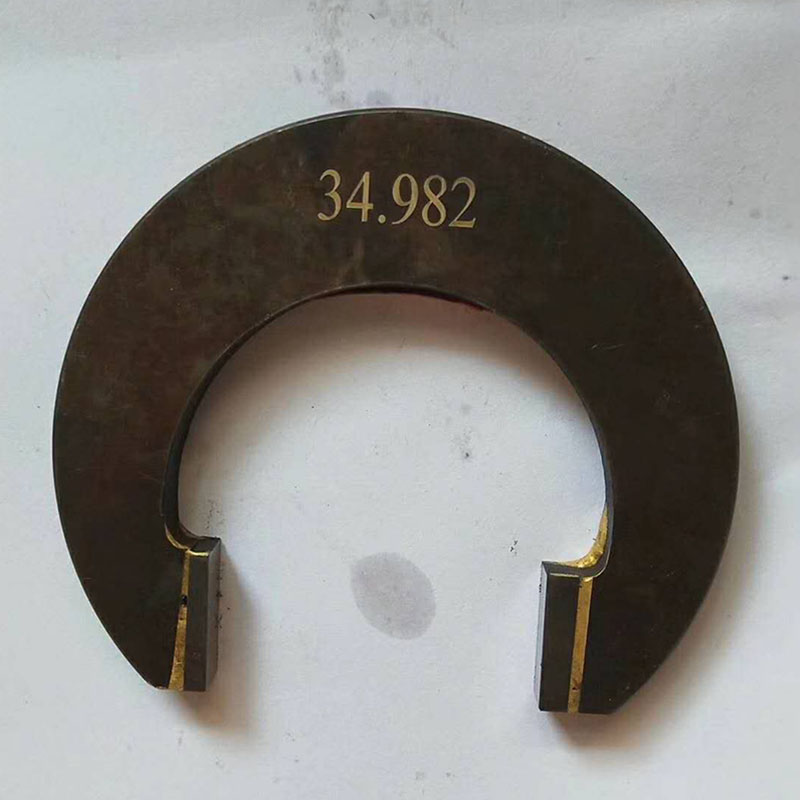
The Importance of Plug and Ring Gauges in Precision Engineering In the field of precision engineering, the need for reliable measurement tools cannot be overstated. Among these instruments, plug and ring gauges stand out as vital components in ensuring dimensional accuracy and quality control during the manufacturing process. This article explores the significance, construction, and applications of plug and ring gauges in the industry. Understanding Plug and Ring Gauges Plug gauges are designed to check the internal dimensions of a product, such as holes or cylindrical features. They come in various forms, including plain, tapered, and threaded plugs. The fundamental purpose of a plug gauge is to determine whether a hole is within specified tolerances—too small (reject), acceptable (go), or too large (not go). This effectively helps engineers and quality control personnel identify any deviations in manufacturing from the desired specifications. On the other hand, ring gauges are utilized for checking the external dimensions of cylindrical objects, such as shafts or pins. Like plug gauges, ring gauges also have go and not go ends. The “go” end checks if the component fits within accepted limits, while the “not go” end ensures that the component does not exceed maximum tolerances. This dual functionality makes ring gauges indispensable in the machining and manufacturing sectors. Construction and Material Both plug and ring gauges are typically made from high-quality steel or carbide, materials known for their toughness and wear resistance . Their construction involves precision machining and heat treatment processes to enhance their dimensional stability, which is crucial for maintaining accuracy over time. The surface finish of these gauges is meticulously controlled to minimize friction and wear, further ensuring that measurements remain precise throughout their lifespan. plug and ring gauges Precision standards for manufacturing these gauges are defined by organizations such as the American National Standards Institute (ANSI) and the International Organization for Standardization (ISO). Adhering to these standards ensures the consistency and reliability of the measurement tools across different industries and applications. Applications in Industry Plug and ring gauges find use in multiple industries, including automotive, aerospace, electronics, and general manufacturing. In the automotive sector, they are essential for ensuring that parts fit together seamlessly, which is crucial for the safety and performance of vehicles. For example, in assembling an engine, plug gauges verify that the inner diameters of the cylinders are within tolerance to accommodate pistons without excessive clearance. In the aerospace industry, stringent tolerances are required to maintain the integrity and reliability of components that operate under extreme conditions. Both plug and ring gauges are employed to check the dimensional accuracy of various aircraft parts, ensuring that they meet rigorous safety and performance specifications. Furthermore, with the rise of Industry 4.0 and increased automation in manufacturing processes, the role of gauges has evolved. Many manufacturers are now integrating these traditional measurement tools with digital technologies and automated systems. This integration often leads to enhanced measurement accuracy, reduced human error, and improved efficiency in production lines. Conclusion In conclusion, plug and ring gauges are fundamental tools in the realm of precision engineering. They ensure that products meet rigorous dimensional tolerances, impacting the overall quality and functionality of manufactured items. As technology advances, these gauges may continue to evolve, integrating with new measurement technologies to provide even greater accuracy and efficiency. For industries relying on precision, the role of plug and ring gauges will remain critical, underscoring their importance in quality control and assurance processes in manufacturing environments.
-

High quality industrial productsagement

High quality industrial products
View Details -

Meet the diverse needs of customers

Meet the diverse needs of customers
View Details -

Strict quality control

Strict quality control
View Details -

Top raw materials

Top raw materials
View Details -

Trusted supplier

Trusted supplier
View Details
Our application


news and information
Various Types of Flow Control Valves and Their Applications in Different Industries
Different Types of Flow Control Valves Flow control valves are essential components in various fluid
Various Types and Applications of Knife Gate Valves in Industrial Solutions
Types of Knife Gate Valves A Comprehensive Overview Knife gate valves are essential components in va

Welding Fabrication Services _ Precision Welding & Custom Fabrication
Understanding Welding and Fabrication A Comprehensive Overview Welding and fabrication are critical
 English